The 4 Most Commmon Soil Types People and animals use soil everyday. It’s a part of life and also makes life flourish. Soil allows plants to grow and produce food in order to sustain living organisms. It can even be used as shelter for insects and animals. Different types of soil are often used as building materials and serve as the ground a foundation is laid on. It’s important that these structures are built on sturdy soil. But how do you know which is the best kind? What kinds of soils are there?Clay The particles of clay are super tiny. This means that clay is hard to dig in and doesn’t allow for easy water drainage. However, it holds the most nutrients out of any soil. Clay breaks apart when it is warm and dry but holds onto water when it’s cool and is slow to drain. Sand Sandy soil is made from tiny bits of rock that break away from bigger pieces overtime. Sand doesn’t hold a lot of nutrients, but it is great for water drainage. Plants such as cactuses and succulents love sandy soil. However, sand is prone to erosion and can make it hard for most plants to grow in. This soil is not good for building on and can cause structures to majorly settle overtime. Silty Soil Silty soil is also prone to erosion and washes way with water or wind very easily. The particles are light and good for plants to grow in since it holds both sand and clay. It contains the best properties of both sand and clay, with it holding onto nutrients and it is easier to dig through. Still though, silty soil is not the best for building structures on. Loamy Soil Loamy soil consists of a mixture of sand, clay, and silt. Loam is the ideal blend of all 3 other types of soil and is the best type for most plants to grow in. It is rich in nutrients and helps to provide excellent drainage for water. Even though it has good drainage, it also holds water making it suitable for the majority of plants to flourish in. Since it contains all three different types of soil, it supports most structures and has the best qualities of the soils mentioned. There are pros and cons to all 4 types of soil. Depending on the needs of the person, one soil might be better than another for a specific type of application. Generally, loamy soil is the best type to build structures on. It has good drainage, strength, and many other qualities. However, what truly affects the stabilization of a structure? We will discuss this in the next article.Previous PostNext Post
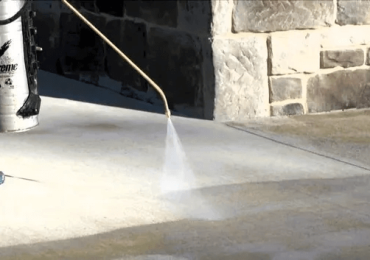
Vetrofluid and Concrete Vetrofluid is a high-performance, liquid-based protective treatment designed for various surfaces, including concrete. When applied to concrete, it enhances the material’s resistance to environmental factors, making it a more durable and long-lasting option. Futher, the primary benefit of using Vetrofluid on concrete is its ability to protect the surface from water, chemicals, and physical wear. By applying this, it can prolong the lifespan of the concrete and maintain its appearance.Key Features of Vetrofluid for Concrete: Hydrophobic Properties: Vetrofluid creates a water-repellent barrier on the concrete surface. This helps to prevent cracks and damage caused by freezing and thawing cycles. Chemical Resistance: Concrete can be vulnerable to damage from exposure to acids, oils, and other chemicals. Vetrofluid adds a protective layer that resists these substances, helping to maintain the integrity of the concrete. Improved Durability: The treatment increases the surface hardness of the concrete, making it more resistant to abrasion, staining, and general wear. This is particularly beneficial in high-traffic areas like driveways, parking lots, and industrial floors. Stain Resistance: Vetrofluid helps prevent the absorption of dirt, oils, and other stains, keeping the surface cleaner and looking new for a longer period of time. Applications of Vetrofluid on Concrete: Driveways and Pavements: Vetrofluid is often used on concrete driveways and sidewalks to protect them from rain, snow, oil spills, and general wear and tear. Industrial and Commercial Floors: It is applied to floors in warehouses, factories, and commercial buildings to protect the concrete from chemicals, heavy equipment, and foot traffic. Exterior Concrete Surfaces: The treatment is commonly used on exterior facades, patios, and pool decks to shield the concrete from the elements, such as UV rays, rain, and dirt. How It Works: Application: Vetrofluid is typically applied in a liquid form using a sprayer, roller, or brush. It is absorbed by the concrete, where it reacts and forms a durable protective layer. Curing and Effectiveness: The treated surface will require a short curing period to fully bond and create a protective barrier. Afterwards, the result is a concrete surface that is easier to maintain and more resistant to environmental challenges. Benefits of Using Vetrofluid on Concrete: Increased Lifespan: By providing water and chemical resistance, Vetrofluid helps extend the lifespan of concrete surfaces. Enhanced Appearance: The treatment maintains the aesthetic appeal of the concrete by preventing stains and preserving its finish. Low Maintenance: Surfaces treated with Vetrofluid are easier to clean and maintain, as they resist dirt and oils. In summary, Vetrofluid is a highly effective treatment for concrete, providing long-term protection against environmental damages. It enhances the durability of the material and ensures that the concrete remains in good condition with minimal maintenance. Previous Post