

Flat Preloader Icon

Concrete Lifting

What Causes Concrete To Sink?

  • Erosion: Improper drainage, poorly positioned downspouts, and leaking or broken water and sewer lines can wash away the soil beneath concrete, creating voids that eventually cause the surface to sink.

  • Biological Decay: Buried construction debris, decaying root systems, abandoned underground structures, and other organic materials can decompose over time, leaving empty spaces in the soil that lead to settlement.

  • Expansive Soils: Soil naturally expands and contracts as moisture levels change. These repeated wet and dry cycles can create gaps beneath concrete. As the soil shifts and voids develop, the weight of the structure above can cause the concrete to settle unevenly.

  • Poor Compaction: When soil is used to backfill an area, it must be properly compacted to provide a stable foundation. If the soil is not adequately compacted, it can compress over time under the weight of the concrete above it. In some areas, such as around pools and foundation walls, compaction can be difficult because heavy equipment may damage nearby structures. This is a common cause of settlement in front porches, pool decks, and other concrete surfaces.

  •  

What is Concrete Foam Lifting & how does it Work?

Polyurethane concrete lifting is a process used to raise sunken concrete and stabilize the soil beneath it. By injecting specialized polyurethane foam beneath the affected surface, we can fill underlying voids, restore support, and carefully lift the concrete back toward its original position.

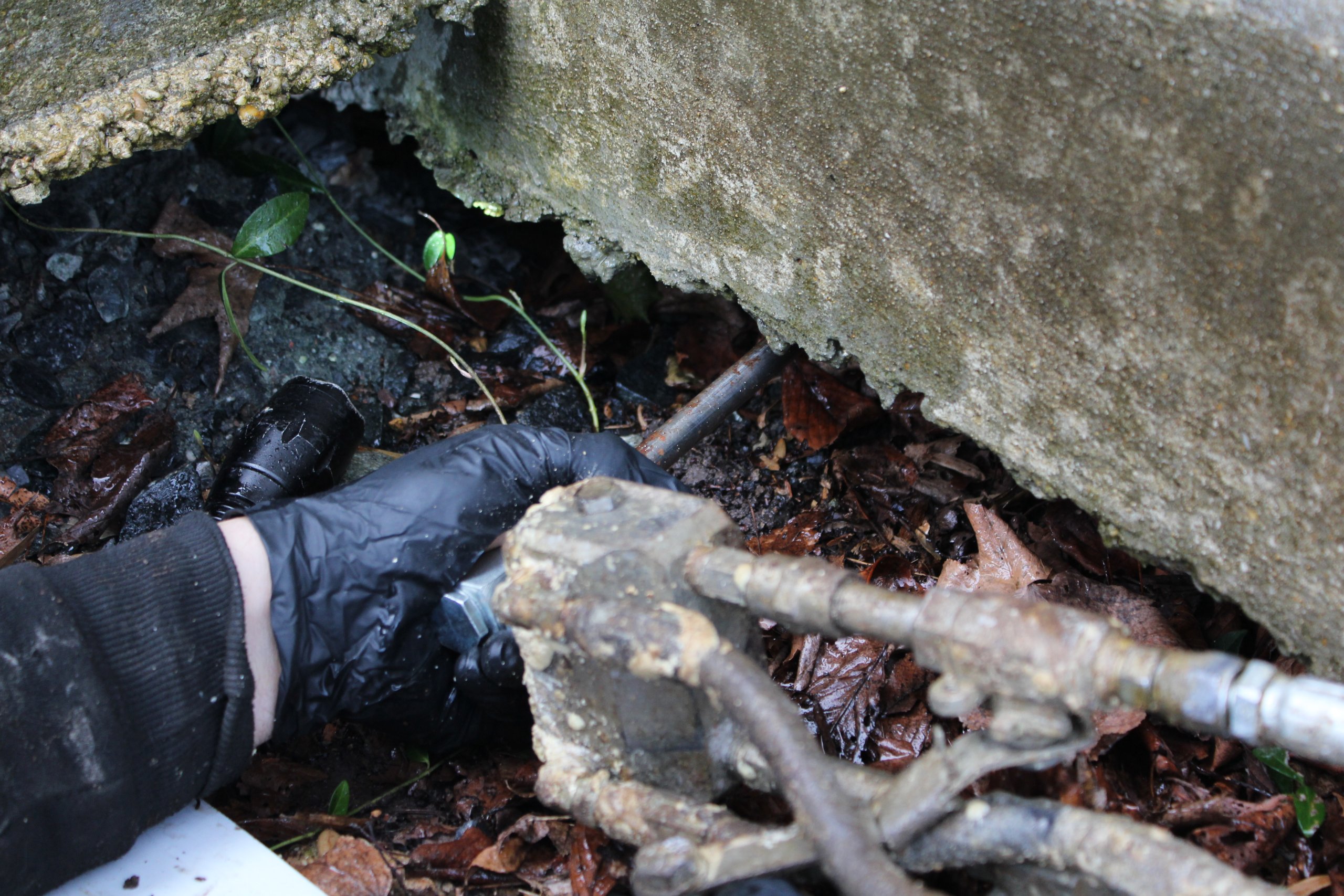
The process begins with small holes drilled into the affected concrete. Polyurethane foam is then injected beneath the surface, where it expands to fill voids and provide support to the surrounding soil. As the foam expands, it helps lift the concrete and restore a more level surface. Once the desired elevation is achieved, the injection points are sealed.

This minimally invasive process offers an efficient alternative to concrete replacement, helping restore existing surfaces with minimal disruption. Watch the video below to learn more about how polyurethane concrete lifting works!

Pros of Concrete Lifting

Fast and Efficient:

Polyurethane concrete lifting is a quick process that allows many surfaces to be used again shortly after the work is completed. Project timelines vary depending on the size and condition of the affected area.

Minimal Disruption:

Unlike traditional concrete replacement, polyurethane lifting typically requires no demolition or removal of the existing slab. This helps minimize disruption to your property and reduces downtime.

Cost-Effective:

Lifting and stabilizing existing concrete can be significantly more affordable than removing and replacing it, making it a practical solution for many concrete repair projects.

Long-Lasting Durability:

Polyurethane foam is designed to provide lasting support beneath concrete surfaces. By filling voids and stabilizing the underlying soil, this method helps extend the life of existing concrete and reduce the need for costly replacement.

Concrete Lifting vs Grinding

Before
After

Concrete Lifting

Concrete lifting can save you time and money while preserving the appearance of your existing concrete. Unlike concrete grinding, which removes the top layer of the surface and can create noticeable color differences, concrete lifting raises and levels the existing slab without altering its original finish. The result is a more even surface that maintains a consistent look without the need for full concrete replacement.

Concrete Grinding

Have Questions?

See how we can provide you infrastructure solutions 
Office Information
Monday-Friday: 7AM-4PM
Saturday & Sunday: Closed
5405 Port Royal Road
Springfield, VA 22151 Suite B