Why Choose American Construction Specialties As a company, American Construction Specialties was established in 2020 and we have been operating now for 4 years. Together we have over 50 years of experience in the construction industry, with endless resources to be able to deal with the most difficult problems that may arise. As a result, ACS believes that we have a goal every contractor should have… support the community and put out the best work we possibly can! How does ACS put out the best work? Knowledgeable Employees: American Construction Specialties’ employees are provided with industry-leading technology. Also, they are provided with the same level of training for the technology to be use in the field. They use this knowledge to accomplish any project or job we go to. Knowledgeable employees = a successful job. Quality Products: When it comes to polyurethane products, the supplier we use is the best on the market. They provide all the training necessary for application and the use of their products. Furthermore, our supplier assists in job planning to help with the more difficult jobs out there. See what our supplier has to say about finding a contactor. Hard Work Ethic: We work hard to make sure that you are 100% satisfied with the quality of our work. American Construction Specialties takes pride in completing all jobs safely and on time. Next Post
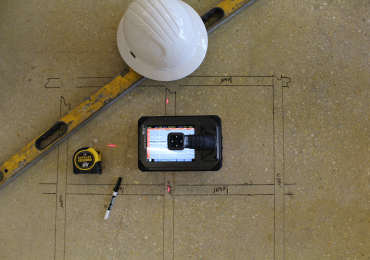
Ground Penetrating Radar Ground Penetrating Radar (GPR) is a tool used for non-destructive testing and surveying of subsurface structures in various materials. Below is a breakdown of its functionality and importance in the world of construction:Principle of Operation:GPR operates by emitting electromagnetic waves into the ground or concrete. These waves penetrate through different materials and reflect back to the antenna of the equipment. The signal is then processed to create a visual representation of the subsurface, typically displayed as a parabolic image on the machine’s screen. Frequency and Variables:The frequency of the electromagnetic waves used in GPR ranges from 10 MHz to 2.6 GHz. The choice of frequency depends on several factors:Ground Conditions: Moisture content and conductivity affect wave transmission.Material Type: Different materials have varying effects on signal penetration. Concrete and soil can produce different scanning results depending on their composition and moisture content.Depth of Object: Higher frequencies provide clearer images but do not penetrate as deeply as lower frequencies, which offer greater penetration but may result in less detailed images. Applications:Object Detection: GPR is used to locate underground utilities, pipes, conduits, rebar, and other structures.Void Detection: It can identify empty spaces or voids caused by settling, decay, or other factors.Safety in Construction: GPR helps prevent accidents during construction by ensuring that critical elements are not inadvertently damaged during core drilling, saw cutting, or demolition. Benefits:Safety: By accurately mapping subsurface features, GPR helps prevent damage to utilities and structures, thus enhancing safety for workers and avoiding costly repairs.Efficiency: It reduces the need for trial excavations or exploratory digging, saving time and resources.Accuracy: Modern GPR systems provide high-resolution imaging that aids in precise planning and decision-making. Limitations: While GPR is effective, it has limitations:Resolution vs. Depth: Achieving high resolution often means sacrificing depth penetration and vice versa.Interpretation: Skill and experience are required to interpret GPR data accurately, especially in complex environments. In conclusion, GPR plays a critical role in modern construction and infrastructure projects by providing essential information about subsurface conditions. Its ability to detect objects and voids, coupled with its safety benefits, makes it a valuable asset for ensuring efficient and secure construction practices. Previous PostNext Post
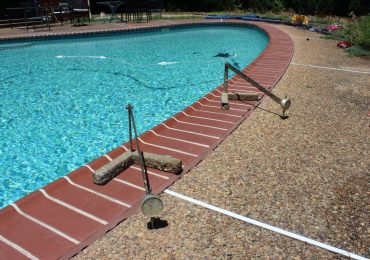
How Can Polyurethane Foam Benefit You? Polyurethane foam lifting offers several significant advantages over traditional methods for repairing sunken concrete structures. 1. Structural Support:The polyurethane foam used is a closed-cell material known for its structural integrity. It provides reliable support, making it suitable for a wide range of applications, from residential driveways to heavy-duty infrastructure such as highways and runways. 2. Efficiency and Cleanliness:The process is remarkably quick and clean compared to traditional alternatives.Drilling: Only small holes are needed to accommodate the injection ports.Foam Injection: The foam is injected through the holes, expanding to fill voids beneath the concrete efficiently.Rapid Cure: The foam hardens quickly, allowing the repaired surface to be used shortly after the application is complete.Minimal Disruption: The process creates very little mess, making it a convenient and hassle-free solution that minimizes disruption to daily activities.3. Cost-Effectiveness:Polyurethane foam lifting is generally more cost-effective than traditional methods, such as complete concrete replacement. Its quick application reduces labor costs while requiring fewer resources and less equipment.4. Durability and Longevity:Once cured, the foam provides stable support for the lifted concrete. It is resistant to moisture and other environmental factors, helping ensure the durability and long-term reliability of the repaired structure.Polyurethane foam lifting stands out as an effective solution for concrete repair due to its structural strength, efficiency, cleanliness, cost-effectiveness, and long-lasting performance. Its versatility makes it suitable for a variety of concrete structures, offering significant advantages over traditional repair methods. Previous PostNext Post
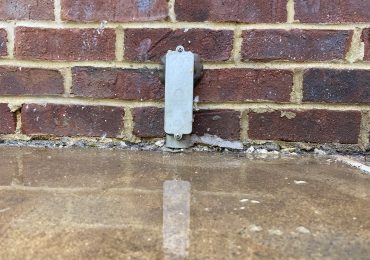
Mud Jacking VS Foam Lifting When people need their concrete leveled, they will most likely come across two different options: mudjacking and polyurethane foam lifting. What are the differences between these two methods, and which one is better in the long run? Mudjacking has been around for decades and has long been a go-to method for concrete raising. This process involves drilling holes through the concrete and pumping a slurry mixture consisting of cement, soil, and water beneath the slab. As the mixture fills the space underneath, it lifts the concrete back into position. However, the process leaves larger holes in the concrete that must be patched. Additionally, the weight of the hardened slurry places added stress on the underlying soil, which can contribute to further settling over time.On the other hand, polyurethane foam lifting uses expanding foam instead of a heavy slurry mixture. This method is known by several names, including polyurethane foam lifting, foam jacking, poly-leveling, and concrete foam lifting.The process involves drilling small holes in the concrete and using specialized equipment to inject the polyurethane mixture beneath the slab. Once injected, the foam begins to expand, filling underlying voids and gradually raising the concrete back into position.Unlike traditional mudjacking materials, polyurethane foam adds very little weight to the slab. It also cures quickly, allowing the repaired surface to be used shortly after the application is complete. Once the technicians finish the job, sealing the small injection holes is simple and requires minimal patching.So, what do you think about mudjacking versus polyurethane foam lifting? Which method is the better long-term solution for your concrete repair needs?Looking for a reliable solution to uneven or sunken concrete? American Construction Specialties offers professional polyurethane foam lifting services to restore and stabilize concrete surfaces. Contact our team today to learn more or request a free estimate! Previous PostNext Post
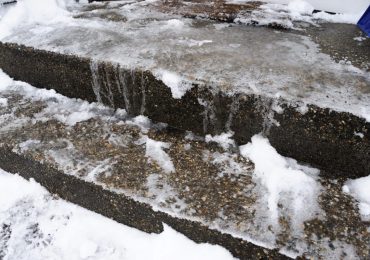
What is the Best Method to Protect Concrete this Winter? As winter is right around the corner, you may begin to wonder what the best method of treating concrete is. Although road salt is the most common method of treating snow and ice, is it safe for concrete? Are there alternative methods to treat concrete?Methods of Treating Concrete Road salt, also known as rock salt, has been used for decades to treat roads and sidewalks during winter. It improves safety for drivers and pedestrians by lowering the freezing point of water, helping prevent ice from forming. However, salt can also contribute to concrete deterioration.During freeze-thaw cycles, water and salt can penetrate the pores of concrete. When temperatures drop, the water freezes and expands, creating pressure that can cause the concrete to crack and break apart. Road salt can also accelerate corrosion in metal infrastructure and vehicles, leading to rust over time. Despite these drawbacks, salt remains one of the most widely used deicing materials in the United States. With millions of tons applied each year, many property owners wonder whether there are more effective alternatives for protecting concrete during winter.One alternative is beet juice. When mixed with salt brine, the sugars in beet juice can help lower the freezing point of water. For best results, it is typically applied before snow or ice accumulates. Unlike traditional rock salt, beet juice is sticky, allowing it to adhere to surfaces rather than bounce away during application. It can also be less corrosive than conventional deicers. However, beet juice has some drawbacks, including higher costs, potential odors, and temporary staining. It also requires sufficient quantities to be effective.Other Solutions Although road salt and beet juice help manage ice, both can leave concrete vulnerable to long-term deterioration. So, how can homeowners and business owners protect their concrete surfaces throughout the winter?One solution is Vetro Fluid, a concrete sealant designed to help protect concrete from moisture, deicing salts, and environmental exposure. Concrete is naturally porous, allowing water and other substances to penetrate its surface. By applying a protective coating, Vetro Fluid helps reduce moisture penetration and minimize damage associated with freeze-thaw cycles and exposure to deicing products.American Construction Specialties offers concrete sealing services using Vetro Fluid to help protect sidewalks, driveways, patios, and other concrete surfaces. Applying a protective sealant can help extend the life of your concrete, reduce deterioration, and preserve your investment through the winter and beyond.Contact American Construction Specialties to learn more about protecting your concrete surfaces. Previous PostNext Post
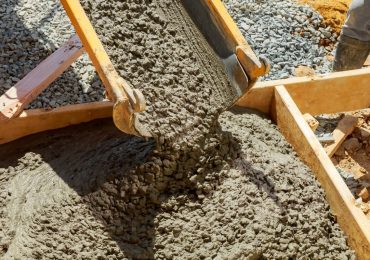
What is the Difference Between Cement and Concrete? Concrete vs. Cement: What’s the Difference?Many people don’t know the difference between concrete and cement. These two materials are often confused both inside and outside the construction industry. In this article, we’ll explain the differences between these two building materials, how they are used, and how to properly protect concrete.CementPortland cement is the most commonly used type of cement in the world. It is primarily made from limestone, clay, and other natural materials that are readily available. These materials are crushed and heated to create a substance called clinker. The clinker is then ground and combined with other ingredients to produce the cement used in construction.When cement is mixed with water and sand, it creates mortar. Mortar is commonly used to bind materials such as brick, stone, and slate together. However, when cement is combined with water, sand, and stone or other aggregates, it creates concrete.ConcreteConcrete is a mixture of cement, water, aggregates, and other additives. Together, these materials create a strong and durable building material. Concrete continues to gain strength as it cures and is widely used in construction projects around the world.It is one of the most commonly used building materials, with applications ranging from buildings and roads to bridges and tunnels. When properly installed and maintained, concrete can last for decades or even centuries.However, protecting concrete is essential to maintaining its strength and appearance over time. One important preventative measure is concrete sealing. Sealing helps protect concrete from moisture, road salt, surface damage, and deterioration. Proper sealing and maintenance can extend the life of concrete while preserving its appearance and curb appeal.American Construction Specialties offers a variety of concrete services, including new concrete installation and concrete sealing. Our experienced technicians are committed to delivering quality results that help protect and maintain your concrete surfaces for years to come. Contact us today to learn more about our services! Previous PostNext Post
The 4 Most Commmon Soil Types Soil plays an essential role in supporting life. It allows plants to grow, provides food for living organisms, and serves as a habitat for insects and animals. Soil is also important in construction, as it serves as the foundation for buildings and other structures. However, not all soil types provide the same level of stability and support.What are the different types of soil, and which are best suited for construction?ClayClay has extremely small particles, making it difficult to dig through and slow to drain. It holds moisture and nutrients well but can become hard and crack when dry. These characteristics can affect the stability of structures built on clay.SandSandy soil consists of small rock particles and allows water to drain easily. However, it holds fewer nutrients and is prone to erosion. In construction, loose or poorly compacted sand can contribute to foundation settling.Silty SoilSilty soil has fine, lightweight particles that retain moisture and nutrients. Although it offers some benefits of both sand and clay, it is highly susceptible to erosion and can have poor drainage. These characteristics can make it challenging to build stable structures on silty soil.Loamy SoilLoamy soil is a mixture of sand, clay, and silt. It offers a balance of good drainage, moisture retention, and nutrient content, making it ideal for most plant growth. Its balanced composition can also provide favorable conditions for construction when properly compacted and evaluated.Each soil type has its own advantages and disadvantages depending on its intended use. While loamy soil generally offers favorable conditions for construction, soil composition alone does not determine foundation stability. Previous PostNext Post
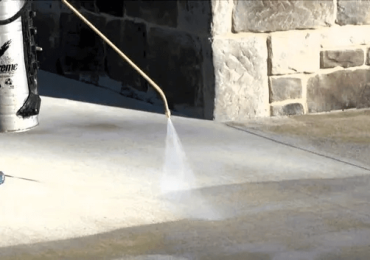
Vetrofluid and Concrete Vetrofluid is a high-performance liquid treatment designed to protect surfaces such as concrete. It helps guard against water, chemicals, and physical wear, improving durability and extending the lifespan of concrete while maintaining its appearance.Key Features of Vetrofluid for Concrete: Hydrophobic Properties: Vetrofluid creates a water-repellent barrier on the concrete surface. This helps to prevent cracks and damage caused by freezing and thawing cycles. Chemical Resistance: Concrete can be vulnerable to damage from exposure to acids, oils, and other chemicals. Vetrofluid adds a protective layer that resists these substances, helping to maintain the integrity of the concrete. Improved Durability: The treatment increases the surface hardness of the concrete, making it more resistant to abrasion, staining, and general wear. This is particularly beneficial in high-traffic areas like driveways, parking lots, and industrial floors. Stain Resistance: Vetrofluid helps prevent the absorption of dirt, oils, and other stains, keeping the surface cleaner and looking new for a longer period of time. Applications of Vetrofluid on Concrete: Driveways and Pavements: Vetrofluid is often used on concrete driveways and sidewalks to protect them from rain, snow, oil spills, and general wear and tear. Industrial and Commercial Floors: It is applied to floors in warehouses, factories, and commercial buildings to protect the concrete from chemicals, heavy equipment, and foot traffic. Exterior Concrete Surfaces: The treatment is commonly used on exterior facades, patios, and pool decks to shield the concrete from the elements, such as UV rays, rain, and dirt. How It Works: Application: Vetrofluid is typically applied in a liquid form using a sprayer, roller, or brush. It is absorbed by the concrete, where it reacts and forms a durable protective layer. Curing and Effectiveness: The treated surface will require a short curing period to fully bond and create a protective barrier. Afterwards, the result is a concrete surface that is easier to maintain and more resistant to environmental challenges. Benefits of Using Vetrofluid on Concrete: Increased Lifespan: By providing water and chemical resistance, Vetrofluid helps extend the lifespan of concrete surfaces. Enhanced Appearance: The treatment maintains the aesthetic appeal of the concrete by preventing stains and preserving its finish. Low Maintenance: Surfaces treated with Vetrofluid are easier to clean and maintain, as they resist dirt and oils. In summary, Vetrofluid is a highly effective treatment for concrete, providing long-term protection against environmental damages. It enhances the durability of the material and ensures that the concrete remains in good condition with minimal maintenance. Previous PostNext Post